News
COVID-19 Update # 16 from the WFN Health Director | December 9, 2020
- Published: December 09 2020 13:52
Dec 9, 2020
Health Director Update
Update from Nova Scotia Health on first COVID-19 vaccine supply to arrive in Nova Scotia
Nova Scotia Health has been planning for several weeks to prepare for vaccine distribution, site planning, human resources and other potential requirements. We are now moving into high gear.
Nova Scotia will receive its first allotment of 1950 doses of the Pfizer COVID-19 vaccine next week and will begin with immunizing healthcare workers most directly involved in the COVID-19 response in Central Zone. The focus for December is Central Zone because the Pfizer vaccine can’t be moved around the province given its strict storage, handling and transportation requirements.
Healthcare workers to be immunized first include those working in COVID-19 care units, Regional Care Units and intensive care units that care for COVID-19 patients. We are committed to ensuring that all healthcare workers are provided access to vaccine as additional supply becomes available.
Nova Scotia Health Occupational Health and Safety will be supporting immunization plans for healthcare workers.
A mass immunization effort of this scale will require significant resources and unparalleled collaboration with partners at federal, provincial and community levels. Many factors that will affect the timeline for distribution, such as vaccine supply, system resources and logistics.
At this time, we are working on our operational plans for vaccination clinics. We commit to sharing updates with you as soon as possible when information becomes available. Thanks for your ongoing patience and understanding.
Booking begins for asymptomatic testing across the province
Starting Tuesday, Dec. 8, Nova Scotians around the province with no COVID-19 symptoms can book appointments for testing. It is mainly recommended for people who have a lot of close social interaction through gatherings or many social contacts.
“This is an opportunity for Nova Scotians to help keep each other safe, especially as we approach the holiday season,” said Dr. Robert Strang, chief medical officer of health. “By getting tested, you can help us limit the potential spread of the virus by detecting positive cases in people who do not have symptoms.”
Asymptomatic testing is available for people who:
- do not have symptoms
- have not travelled outside the Atlantic provinces within the past 14 days
- have not visited a potential exposure location
- have not been in contact with someone who has tested positive
In Central Zone, people can go to the Zatzman Sportsplex in Dartmouth for an asymptomatic test without an appointment. In all other zones, appointments are required and can be booked at https://covid-self-assessment.novascotia.ca/ , choosing the asymptomatic option. Appointments can be booked until Dec. 13.
In addition, pop-up sites will continue in different locations around the province. Because they use rapid tests, the age limit is 16 and over at these sites.
People getting tested through this process are not required to self-isolate while waiting for their test or results. People getting tested for other reasons can find their self-isolation requirements at http://www.nshealth.ca/what-do-i-need-know-about-covid-19-testing-and-self-isolation .
time of testing but it does not mean that they could not become infectious in the next few days. People who receive a negative test result must continue to follow public health measures and if they develop symptoms, immediately self-isolate and complete the COVID-19 self-assessment.
The number of tests that can be done is based on the need to prioritize testing of people who have symptoms and close contacts of known cases. Not everyone who comes forward for an asymptomatic test will necessarily get one.
Everyone is reminded to keep their social circles small and follow public health measures including wearing masks, physical distancing, practicing good hand hygiene, and staying home and completing the COVID-19 self-assessment if they have symptoms.
Marla Robinson-Pyne
Health Director Wasoqopa’q First Nation
Yarmouth Health Centre
15234 Hwy 3
Yarmouth NS, B5A 4A8
COVID-19 Update # 15 from the WFN Health Director | December 3, 2020
- Published: December 03 2020 16:45
Dec 3, 2020
Health Director Update
Please keep up to date with NS public exposure notices:
Coronavirus (COVID-19): download COVID Alert

COVID Alert is a free exposure notification app. The app lets you know if you may have been exposed to COVID-19. You can also use the app to let others know if you test positive without sharing any personal information.
https://novascotia.ca/coronavirus/covid-alert-app/
Along with following public health guidance, you can download COVID Alert to help reduce the spread of coronavirus (COVID-19). The more people who use the app, the more effective it will be in helping to protect each other and our communities.
How COVID Alert works
- If someone tests positive for COVID-19, they receive a one-time key from their local health authority to enter into the app.
- The app uses your phone’s Bluetooth signal to detect how close you are to other people with the app.
- If someone you’ve been in close contact with (more than 15 minutes, less than 2 metres apart, over the past 14 days) later tests positive for COVID-19, you’re notified through the app that you may have been exposed. You also get advice on what to do next.
Your privacy is important
COVID Alert doesn’t collect personally identifiable information about you. The app has no way of knowing:
- your location
- your name or address
- the place or time you were near someone
- your health information
Phone compatibility
COVID Alert should work on any smartphone released in the last 5 years including iPhone 6S or newer (running iOS 13.5 or newer) and Android devices running Android version 6 or newer.
Download the app
COVID Alert is free. It’s available for iOS and Android.
Coronavirus (COVID-19): what to do if you may have been exposed
Steps you should take to monitor your health and protect others if you’ve been notified by COVID Alert or think you’ve been exposed to COVID-19.
Step 1: Watch for symptoms
Watch for symptoms. Symptoms can vary from person to person and in different age groups. Symptoms may take up to 14 days to appear after exposure to COVID-19. To help protect others, it’s especially important to watch for symptoms if you’re going to public places, your workplace and settings where it’s difficult to keep a physical distance of 2 metres (6 feet) from others.
Step 2: Find out if you need a COVID-19 test
Complete a COVID-19 Self-assessment if you feel unwell or have any COVID-19 symptoms. You can call 811 for assessment if you’re unable to complete the COVID-19 Self-assessment online (or to speak with a nurse). If the assessment determines that you need a test, Nova Scotia Health Authority or IWK Health Centre will call you within 1 to 2 days to book the testing appointment.
Step 3: If you test positive for COVID-19 - notify COVID Alert
Self-isolate if you have tested positive for COVID-19.
You can also use COVID Alert to let others know if you test positive without sharing any personal information. If you test positive for COVID-19, Public Health gives you a one-time key over the phone when you get your positive test result. You will only get one key and it expires in 24 hours or after you enter the key into the COVID Alert app.
In the event that you are notified by Public Health that you have been exposed you will be given instruction by the contact tracing public health team on testing, self-isolation and any other requirements set forth by the Government of NS.
What is Contact Tracing?
Contact tracing is the process of identifying, assessing, and managing people who have been exposed to a disease to prevent onward transmission. When systematically applied, contact tracing will break the chains of transmission of COVID-19 and is an essential public health tool for controlling the virus.
Contact tracing for COVID-19 requires identifying people who may have been exposed to COVID-19 and following them up daily for 14 days from the last point of exposure.
As always, remember the best defence against Covid-19 and keeping yourself and others safe is to practice social distancing, Keeping your hands clean, cough and sneeze etiquette, cleaning and disinfecting and wearing a non-medical mask.
Marla Robinson-Pyne
Health Director Wasoqopa’q First Nation
Yarmouth Health Centre
15234 Hwy 3
Yarmouth NS
B5A4A8
Phone: (902)742-4337
Fax: (902)742-4824
COVID-19 Update from Our Community Health Nurse
- Published: November 26 2020 13:33
Community Members,
As you probably know, the second wave of Covid-19 has hit Nova Scotia. Much like the rest of the world, it is spreading quickly. The majority of cases are currently in HRM and Hants County areas, and so the Premier and Chief Medical Officer have tightened restrictions in those areas. The restriction guide for each county can be found here:
https://novascotia.ca/coronavirus/county-restrictions/
A summary of the new restrictions can be found below:
- bars and restaurants are closed to in-person dining (takeout may continue)
- maximum of 5 guests per household
- groups of no more than 5 people allowed outside the home (group should remain as consistent as possible)
- casino and other gaming establishments, fitness centres, libraries, and museums are closed
- organized sports, recreational activities, faith-based and cultural gatherings, are not permitted
- masks must now be worn in common areas of multi-unit dwellings such as apartment buildings and condos (in addition to all previous mask mandates)
retail stores must operate at 25% capacity or below
Please read the following pages for more information, tips for the holiday season, and important resources.
TIS THE SEASON…
The holiday season is upon us! It brings with it an extra layer of difficulty (to already difficult times) as we want to shop ‘til we drop and gather with family and friends. While we don’t yet know what restrictions will be closer to the holidays, it is time to start thinking about how we can adapt to celebrate safely, but happily. Here are some things to consider under current restrictions:
- shop online
- take advantage of curbside pickup - available with many stores when ordering online or by phone
- “click and collect” available with many grocery stores (Superstore PC Express, Sobeys Voila, Walmart Grocery)
- shop small/local businesses & avoid crowded malls etc.
- shop “off-hours” - stores are typically less crowded through the day on weekdays, an hour before close, and mornings on weekends
DO YOUR PART…
One of the most important things to remember is if you are feeling unwell, stay home if you can, and if you can’t, minimize interactions, making only essential trips outside the home. By reducing the number of sick people in our province, it helps to reduce the load on our healthcare system, which is vital during a pandemic. One symptom can quickly turn into more, and potentially require a Covid-19 test, and/or treatment. We want to avoid passing any symptoms around stores, our workplaces, our communities etc. as it can quickly become complicated. While you may be “fine” with a cold or flu, the next person may be required to stay home, get tested, seek medical attention, or even be hospitalized. It is more important than ever that we protect one another this winter. You can find the 811 self-assessment and booking site here:
http://covid-self-assessment.novascotia.ca/en or you can call 8-1-1
FLU SHOTS
The flu shot helps protect you and your community. Especially this year, preventing the flu is one more way we can help reduce the load on our healthcare system. If you haven’t received one yet, you can book an appointment at the Gold River Health Centre (ongoing while quantities last) by calling 902-627-1245 or email . Flu shots will also be available at the Yarmouth Health Centre on December 1st, you can book by calling 902-742-4337.
SELF-BOOKING
Please note that many diagnostics sites are now set up for self-booking, such as ECG, bloodwork, or x-ray. If you have a requisition, you can book here:
https://booking.nshealth.ca/qmaticwebbooking/index.html#/
FEDERAL SICK DAYS
The federal government has announced a new benefit to help ease the stress of having to stay home, for those who have no paid sick leave through their employer. The Canada Recovery Sickness Benefits (CRSB) pays for up to 10 sick days should you have to stay home with symptoms, awaiting test results, a positive case of Covid-19, or are a caregiver to someone who is required to isolate. You can find more information here:
https://www.canada.ca/en/revenue-agency/services/benefits/recovery-sickness-benefit.html
MENTAL HEALTH
Please know, this pandemic is hard on everyone, and you are not alone in feeling stressed, anxious, confused, or frustrated. If you are struggling, or finding it hard to manage, please reach out. We have adult and child/youth mental health clinicians at both Health Centres, in Gold River and Yarmouth. In addition, NIHB covers 2 hours of initial assessment plus 20 hours of ongoing mental health counselling sessions, and more may be available on a case-by-case basis. NIHB covers psychologists, social workers, psychiatric nurses, psychotherapists, and other regulated mental health providers permitted to practice by legislation (ie: registered counselling therapists). They must be in good standing and willing to complete the paperwork with NIHB to be on the “approved list”. You can find more information here:
https://www.sac-sc.gc.ca/eng/1576093404318/1579114266033
Or you can reach out to the Community Health Nurse to help you navigate this.
PLEASE REMEMBER…
- wash your hands frequently with soap and water for 20 seconds, or with alcohol-based hand sanitizer when washing isn’t an option
- wear a mask over your nose and mouth in all indoor public spaces, minimize the contact of hand to mask, and be mindful of clean hands when handling your mask
- ensure physical distancing when interacting with anyone outside your group of 5-10 (depending on county restrictions)
- respect capacity rules and follow directions when entering, exiting, and navigating through public spaces
- be kind, be patient, be respectful
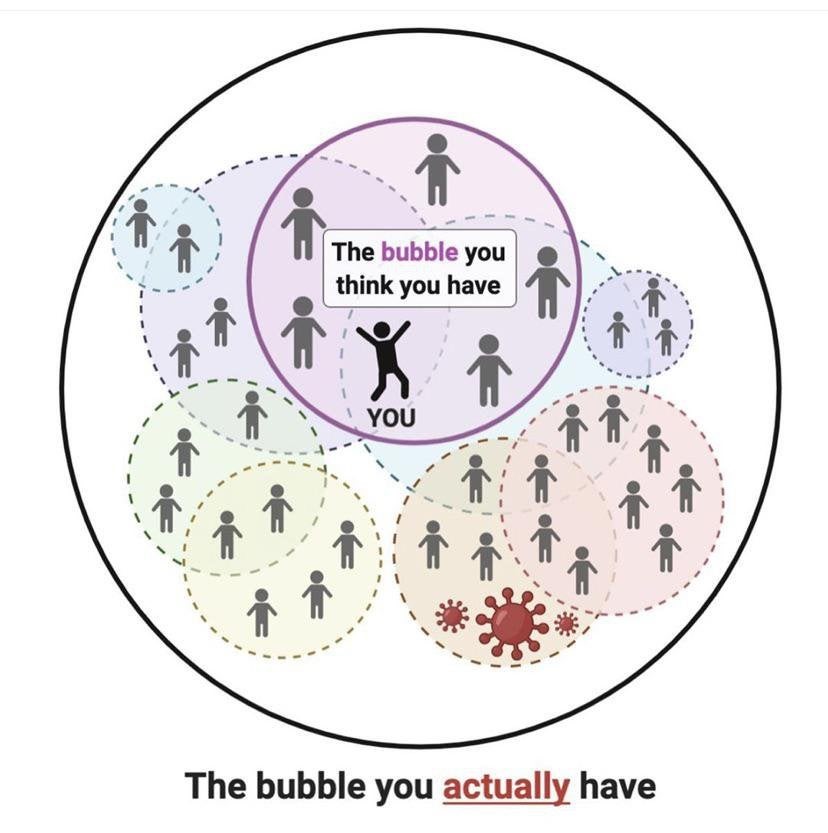
We’re all in this together!
Letter to Wasoqopa’q First Nation Members | Clearwater
- Published: November 10 2020 16:42
Open Letter to the Residents of Southwest Nova
- Published: October 29 2020 18:24

Wasoqopa’q First Nation's Letter of Response Regarding Yarmouth & Area Chamber of Commerce Letter to The Honourable Bernadette Jordan Dated September 20, 2020
- Published: October 07 2020 15:20